MVNO Loyalty and Gamification Strategies: Driving Retention in a Hyper-Competitive Market
Gamification takes loyalty further by incorporating game-like elements—points, badges, levels, challenges, leaderboards, and progress tracking—into everyday telecom interactions.

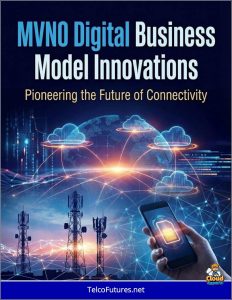 Mobile Virtual Network Operators (MVNOs) have reshaped the wireless industry by offering affordable, flexible plans without owning physical infrastructure.
They ride on major host networks like T-Mobile, Verizon, and AT&T. Brands such as Mint Mobile, Visible, and Google Fi have successfully targeted price-sensitive consumers and niche segments.
The global MVNO market is expected to grow to 438 million subscribers and $54.4 billion in revenue by 2030, fueled by eSIM technology, cloud platforms, and demand for specialized services.
Despite this growth, MVNOs face a major challenge: extremely high customer churn. Telecom churn rates typically range from 20–50% annually, but prepaid and MVNO customers—often on no-contract plans—can see rates as high as 70% in some markets. Low switching barriers, instant number porting, and intense price competition make it easy for users to leave.
In a commoditized market where service quality is similar across providers, relying solely on customer acquisition is unsustainable. Instead, loyalty programs—particularly those enhanced with gamification—have become essential for improving retention, increasing customer lifetime value (CLV), and creating meaningful differentiation.
Why Loyalty and Gamification Matter More for MVNOs
MVNOs primarily serve budget-conscious and digitally native users who value price and flexibility over brand prestige. Without long-term contracts or proprietary networks, retention depends on delivering perceived value beyond monthly savings. Well-designed loyalty programs build “stickiness” by rewarding behaviors such as on-time payments, consistent usage, referrals, and app engagement.
Gamification takes loyalty further by incorporating game-like elements—points, badges, levels, challenges, leaderboards, and progress tracking—into everyday telecom interactions. These mechanics tap into fundamental human drives: achievement, competition, social connection, and the rewarding feeling of earning something. When done right, gamification turns passive subscribers into active participants, making routine tasks like paying bills or checking usage feel engaging and habitual.
Core Gamification Strategies for MVNOs
Effective MVNO loyalty programs combine traditional rewards (extra data, bill credits) with dynamic game mechanics. Key approaches include:
1. Points, Badges, and Tiered Progression – Users earn points for simple actions like paying on time, enabling autopay, reaching data milestones, or completing in-app tasks. Badges offer quick recognition—for example, an “Explorer” badge for international roaming users or a “Hero” badge for sharing data with friends. Tiered systems unlock escalating benefits, such as bonus high-speed data, priority support, or partner discounts. This progression creates a motivating loop that encourages longer customer tenure.
2. Challenges, Quests, and Streaks – Time-limited missions keep users engaged: “Refer three friends this month for a data booster,” “Maintain a 30-day autopay streak for 500 bonus points,” or “Run a speed test during peak hours.” Streaks use loss aversion—breaking one feels like a setback—prompting users to return. Quests can gently introduce new features or encourage upgrades in a fun, low-pressure way.
3. Referral Programs with Social and Competitive Elements – Mint Mobile’s Refer-a-Friend program stands out: users earn significant renewal credits (often $45 or more per successful referral), and new customers receive credits too. This turns subscribers into brand advocates while driving viral growth. Adding leaderboards or team challenges, such as “Top referrers win unlimited data,” layers in competition and social motivation.
4. Personalized, AI-Driven Rewards – Leveraging usage data and artificial intelligence, MVNOs can tailor offers to individual behavior. A frequent traveler might receive roaming credits and an “Explorer” badge, while a heavy streamer earns bonus data after a viewing quest. Personalized dashboards with progress bars show users how close they are to the next reward, boosting perceived value and engagement.
5. Community and Social Features – Integrating forums, group challenges, or shared leaderboards fosters a sense of belonging. Partnerships with retailers expand redemption options to include gift cards and experiences, broadening the appeal beyond pure telecom perks.
Real-World Results and Examples
Several MVNOs have already demonstrated strong outcomes. A Canadian MVNO that adopted Etiya’s gamified loyalty platform—featuring badges, milestones, referrals, and AI personalization—saw 70% of program members become actively engaged. Among those engaged users, 50% showed a significantly lower likelihood of churning.
In the U.S., another major MVNO used Paylode’s action-driven platform to reward app downloads, referrals, and upgrades with gift cards and perks, resulting in notable gains in customer engagement and churn reduction.
Broader telco examples provide additional lessons. Vodafone’s VeryMe program delivers AI-powered weekly treats, challenges, quizzes, and polls. Verizon Up rewards bill payments, video watching, gaming, and renewals with redeemable credits for discounts and experiences. These initiatives show how gamification can simultaneously improve retention and generate incremental revenue.
Innovative MVNO Examples
Helium Mobile (U.S.) operates as a decentralized wireless MVNO. Users earn cryptocurrency rewards called Mobile Rewards simply by using the service or contributing coverage through hotspots. These tokens can pay phone bills, purchase devices, or be used elsewhere. This “earn-while-you-use” model appeals to tech-savvy users who view connectivity as an investment rather than a basic utility.
Virgin Mobile / Virgin Plus takes a lifestyle-focused approach. Virgin Mobile UAE offers straightforward points for plan spending, redeemable for cashback up to 8%. Virgin Plus in Canada provides automatic member benefits, including rotating discounts on food, fashion, entertainment, and travel, plus exclusive contests and VIP event access. The broader Virgin Red ecosystem extends this by letting points unlock memorable experiences across Virgin brands and partners, turning everyday spending into rewarding moments.
Best Practices for Implementation
To succeed, MVNOs should follow these evidence-based guidelines:
- Deeply understand the target audience using analytics to create relevant challenges.
- Ensure rewards are meaningful—focus on high-value items like data, bill credits, and partner perks.
- Keep the experience simple and intuitive to avoid overwhelming users.
- Use specialized telco loyalty platforms for seamless integration with billing and e-commerce systems.
- Measure performance rigorously, tracking engagement, redemption rates, churn reduction, NPS, and ARPU uplift.
- Incorporate core mechanics: points, badges, challenges, quests, and progress tracking.
- Leverage AI for personalization.
- Maintain strict privacy compliance (GDPR, CCPA) to build and preserve trust.
Measuring Success and Future Outlook
Important metrics include loyalty program participation rates, redemption activity, churn reduction (aiming for 20–40% improvement among participants), Net Promoter Score, referral-driven acquisitions, and lifetime value growth.
Looking ahead, MVNO gamification will evolve with deeper AI personalization, cross-industry partnerships (fintech, retail, entertainment), and new technologies such as augmented reality challenges or blockchain-based reward tokens. As 5G, eSIM, and IoT expand service possibilities, loyalty programs will shift from optional features to core competitive advantages.
In a hyper-competitive market where price competition alone is no longer enough, MVNOs that master loyalty and gamification will do more than retain customers—they will cultivate loyal advocates who fuel organic growth.
The game has changed. The winners will be those who make staying with their network not just logical, but genuinely enjoyable.